
Längst durchdringt KI viele unserer Arbeits- und Lebensbereiche. Wir wollten wissen, wo und wie Kreative sie aktuell einsetzen. Wo KI im Design wirkliche Verbesserungen bringt und wo ihr Nutzen überschätzt wird. Auf zwanzig Seiten stellen wir im Grafikmagazin 02.26 Ansätze und Projekte vor und zeigen, wo die Potenziale von KI im Design liegen.
Neben dem Schwerpunktthema bietet diese Ausgabe viel Wissens- und Sehenswertes aus der Welt des Designs. Wir blicken beispielsweise auf die Geschichte hinter der Geschichte von Puh dem Bär, beleuchten ein Forschungsprojekt zu Speculative Futures oder widmen uns der Schriftstrategie für Marken. In unserer Foto-Rubrik stellen wir Arbeiten vor, die sich mit zutiefst menschlichen Themen befassen: Gemeinschaft und Eltern sein. Natürlich gibt es auch viel sehenswertes Editorial Design zu entdecken, sei es zu KI-Kunst, Infografiken oder dem Zweifeln als Methode. In unserem Fokus setzen wir unseren Schwerpunkt zu Resilienz im Design fort und zeigen verschiedene Ansätze, wie Kreative erfolgreich mit Krisen und Hürden umgehen.
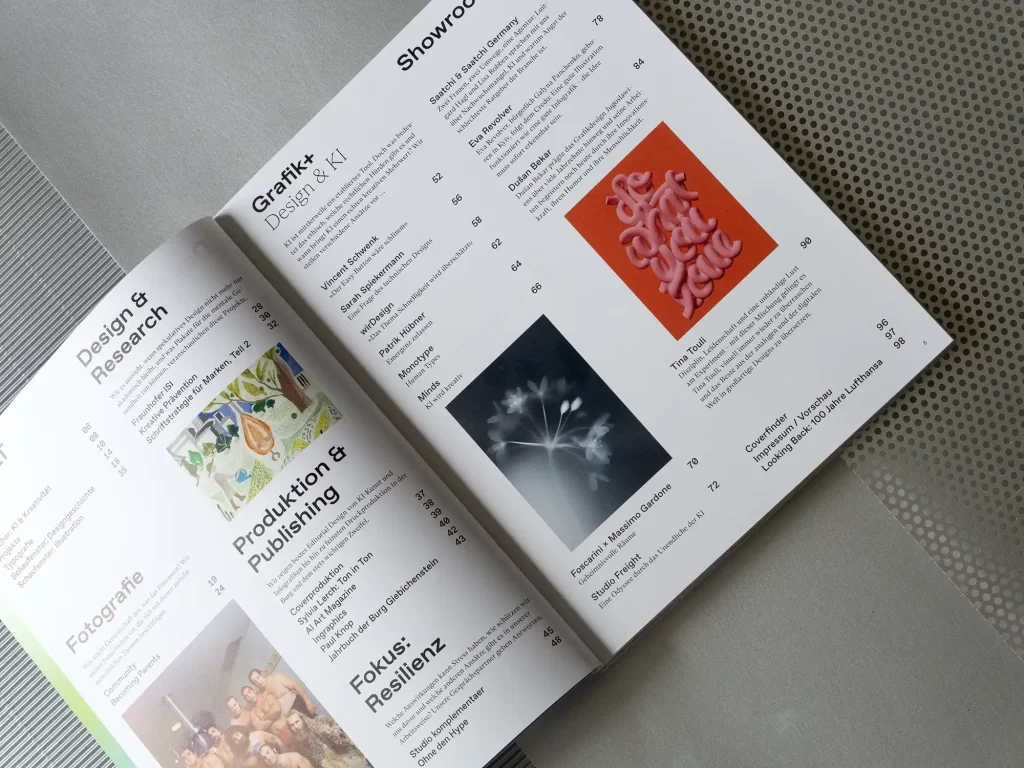
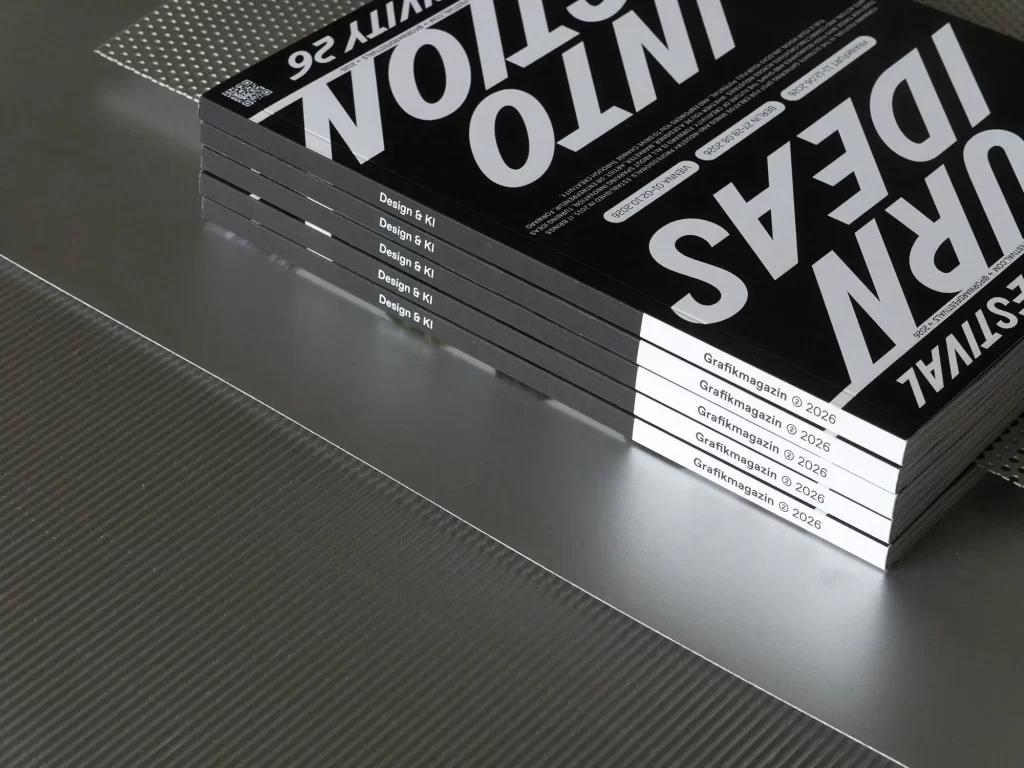
Grafik+ »Design & KI«
Künstliche Intelligenz ist längst fester Bestandteil gestalterischer Praxis – kaum eine aktuelle Auseinandersetzung mit Design kommt noch ohne sie aus. Umso spannender ist die Frage, wie sich ihr Einsatz weiterentwickelt hat: Bereits vor drei Jahren haben wir uns im Grafikmagazin intensiv mit KI beschäftigt und sogar eine Ausgabe mit 1000 Cover-Varianten realisiert. Was damals neu und aufregend erschien, wirkt heute stellenweise fast schon überholt. Kann man also mit KI überhaupt Dinge von bleibendem Wert schaffen? Sind zeitlose Gestaltung und schnelles Prompten Gegensätze? An welchen Stellen erzeugt KI überhaupt einen echten kreativen Mehrwert?
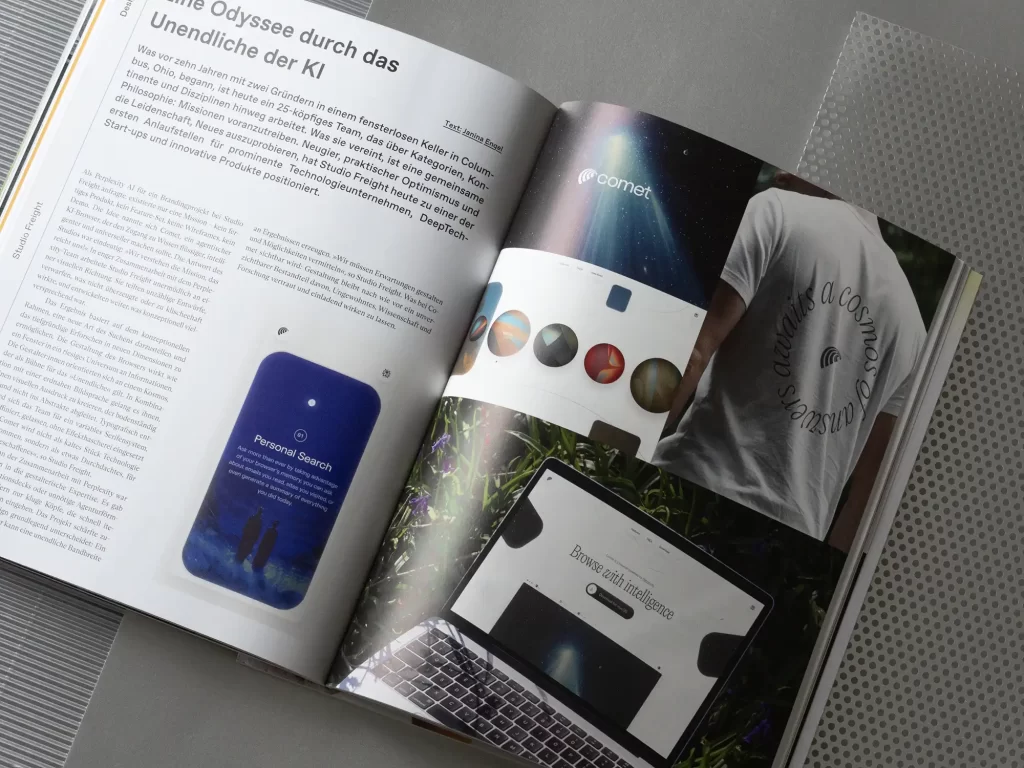
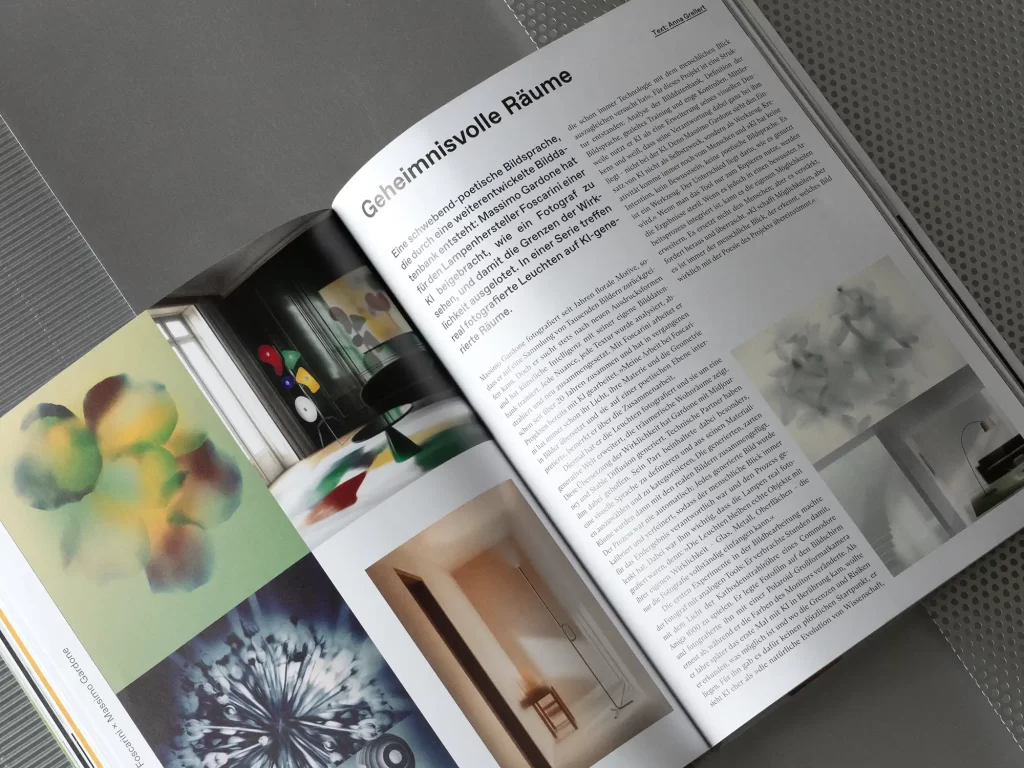
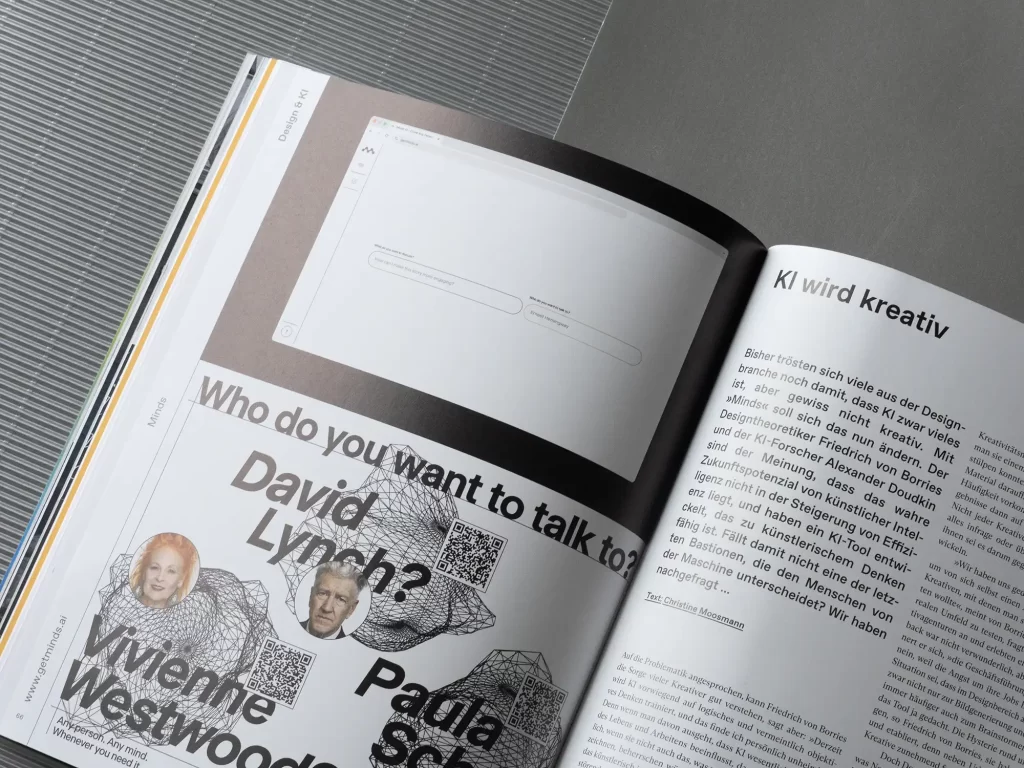
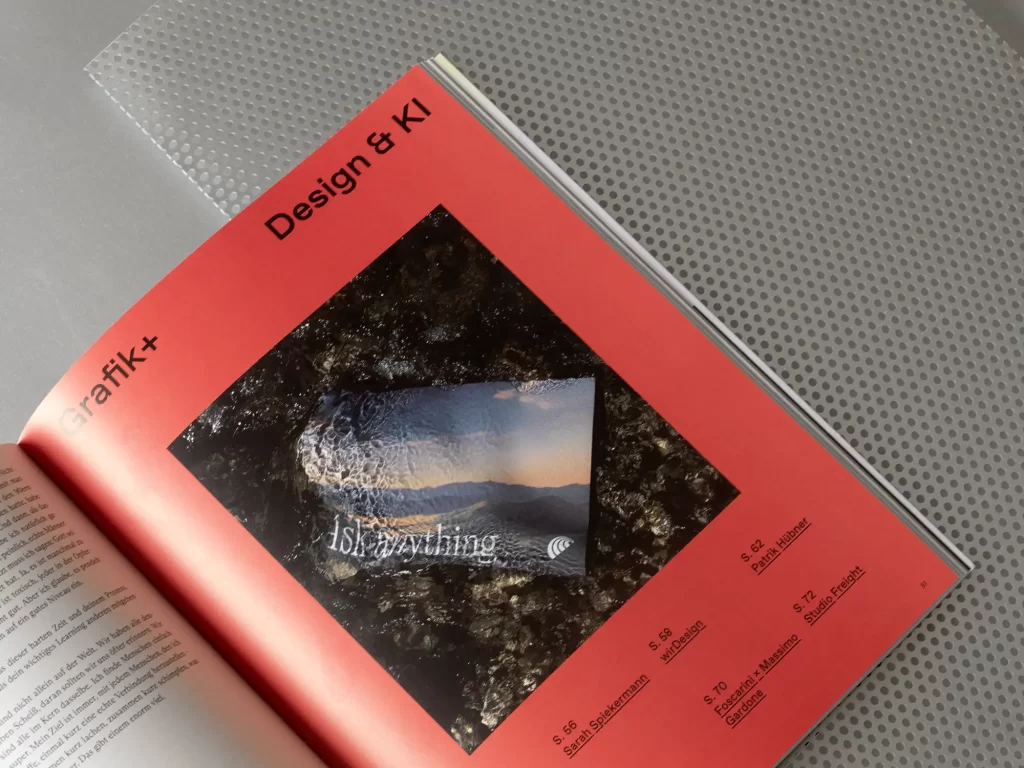
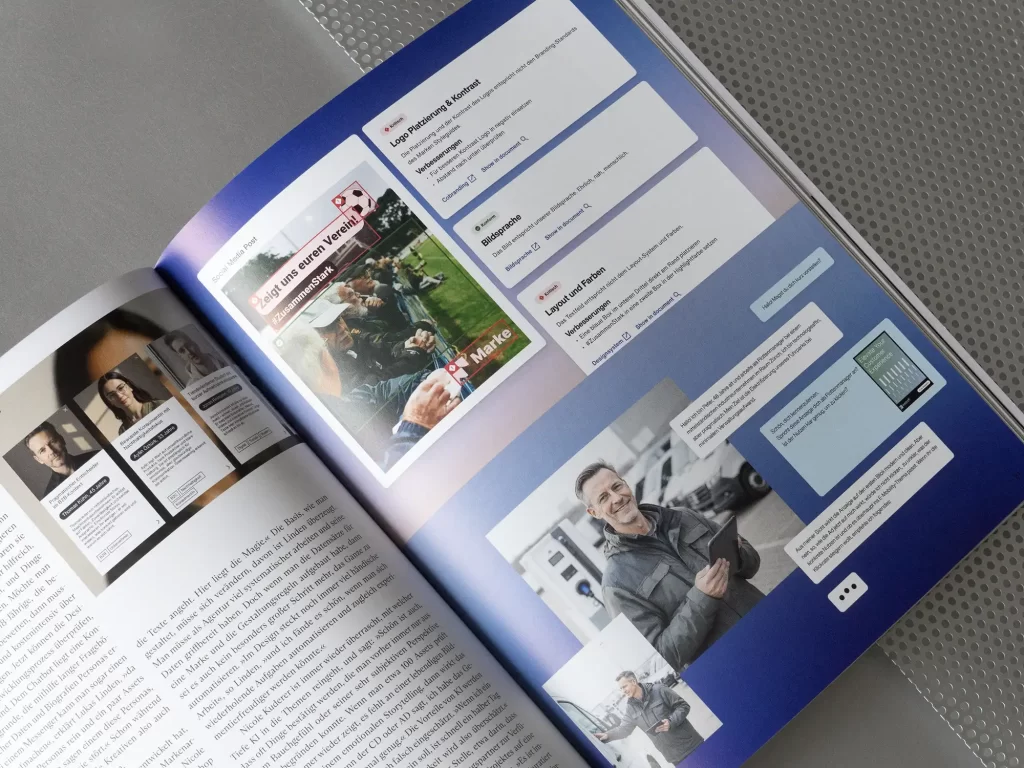
Das wollten wir wissen und haben nachgefragt, wie Kreative und Agenturen heute KI nutzen – wo sie Vorteile bringt und wo ihre Wirksamkeit überschätzt wird. Im Grafik+ des Grafikmagazin 02.26 stellen wir auf 20 Seiten Projekte und Positionen rund um das Thema »Design & KI« vor.
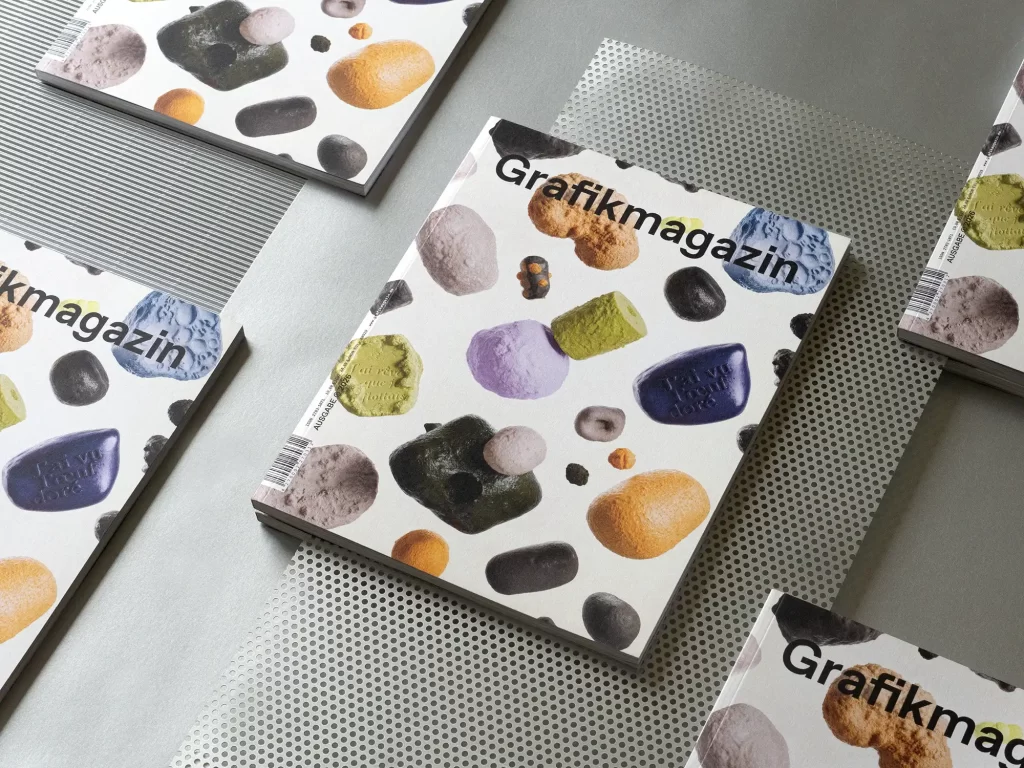
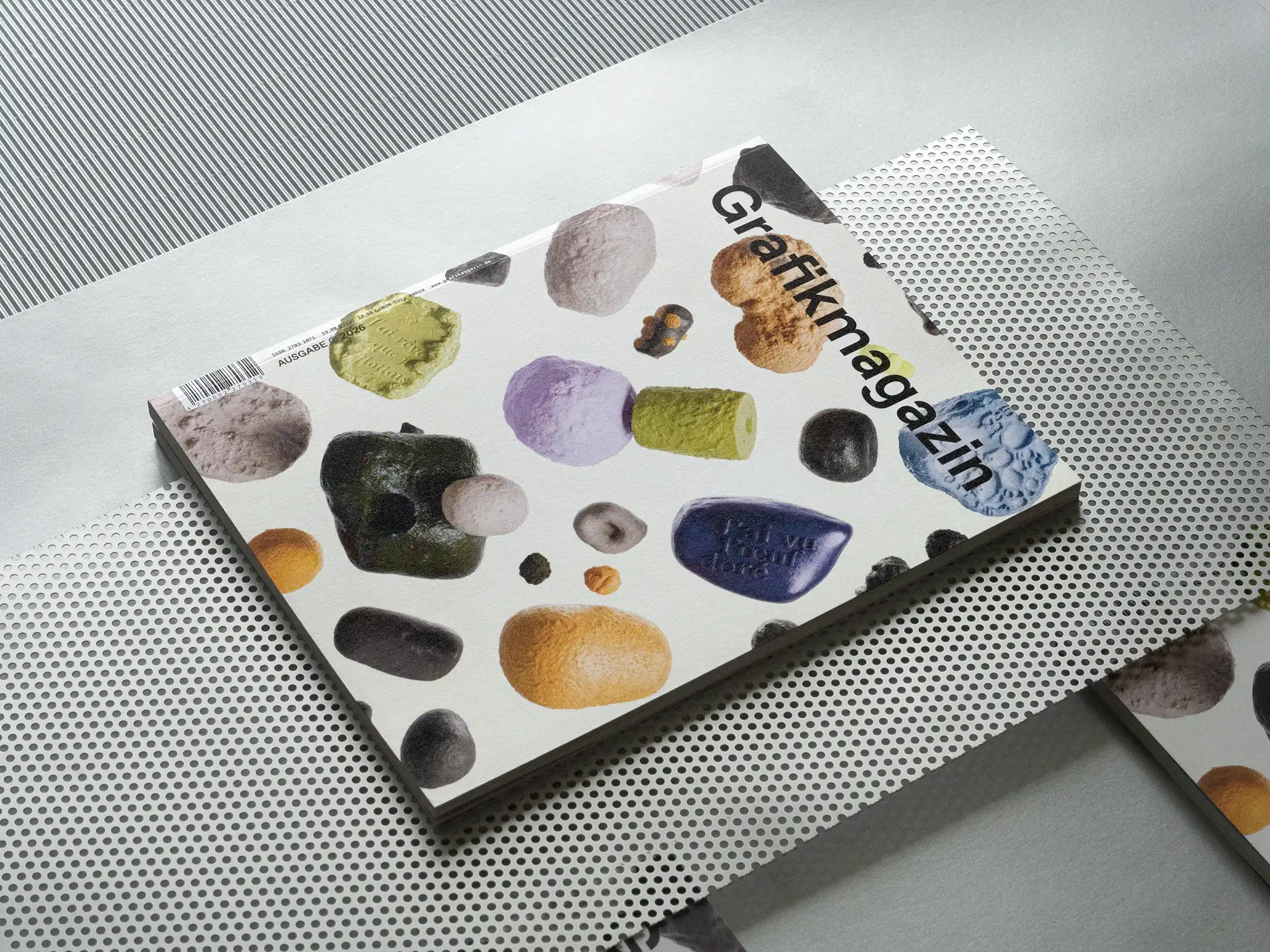
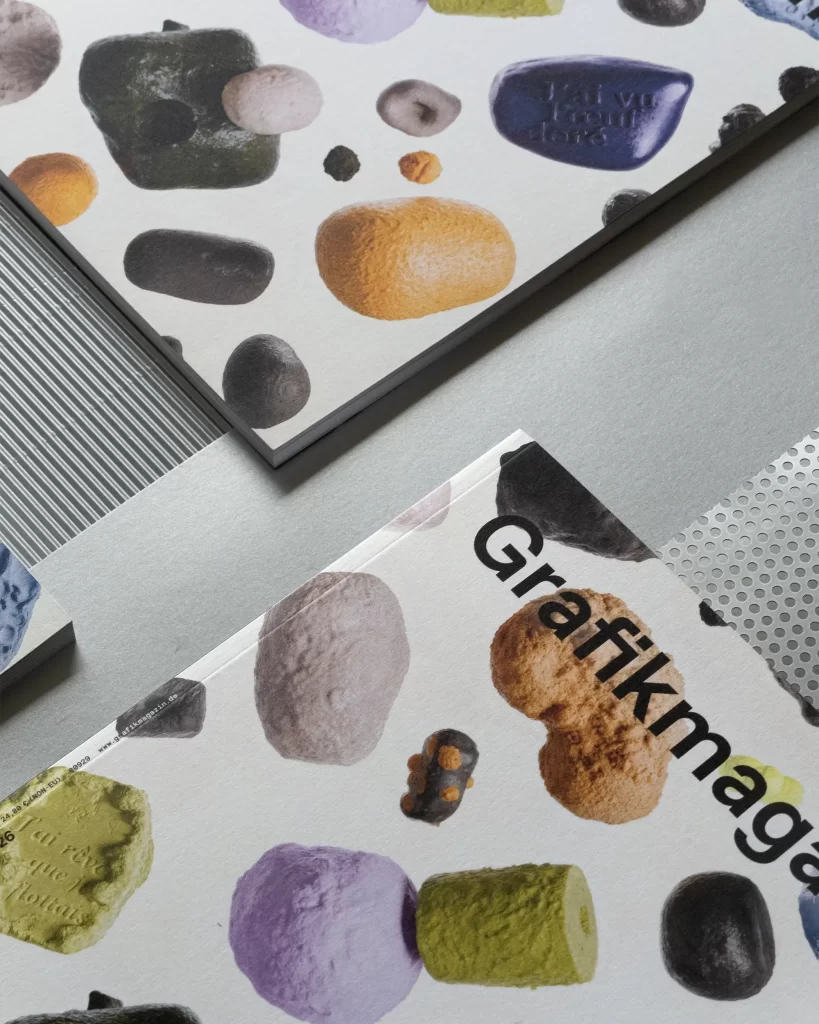
Das Cover
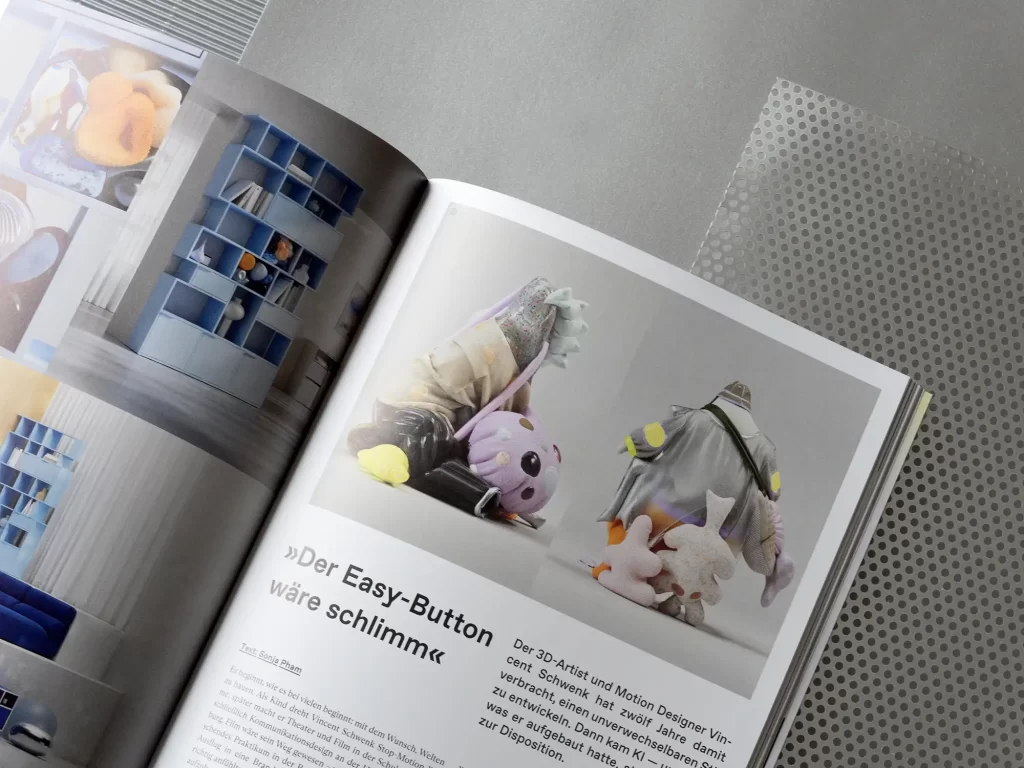
Das Cover-Motiv wurde von Vincent Schwenk in einem hybriden Workflow entwickelt. Der 3D-Künstler trainierte ein LoRA-Modell mit seinen Arbeiten, sodass die KI seine Bild- und Formensprache verstand und daraus eine Grundkomposition kreieren konnte. Er sagt: »KI generiert, Maschinen eröffnen Möglichkeiten und Designer treffen Entscheidungen. So schreiben wir nicht nur Prompts, sondern erschaffen echte Workflows.«
Gedruckt wurde das Cover im Offset und als Papier setzen wir Munken Kristall Rough in 300 g/qm ein. Das ungestrichene Designpapier besitzt eine sehr angenehme Haptik, bringt das Motiv strahlend zur Geltung und wird von Berberich vertrieben.
Der Showroom
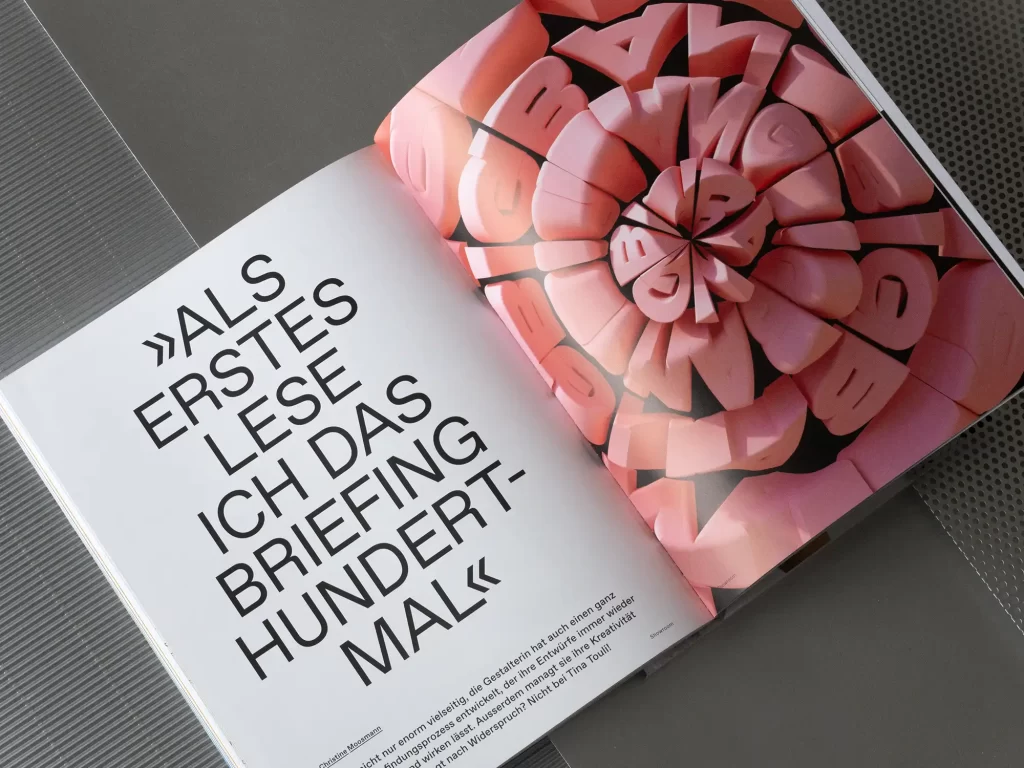
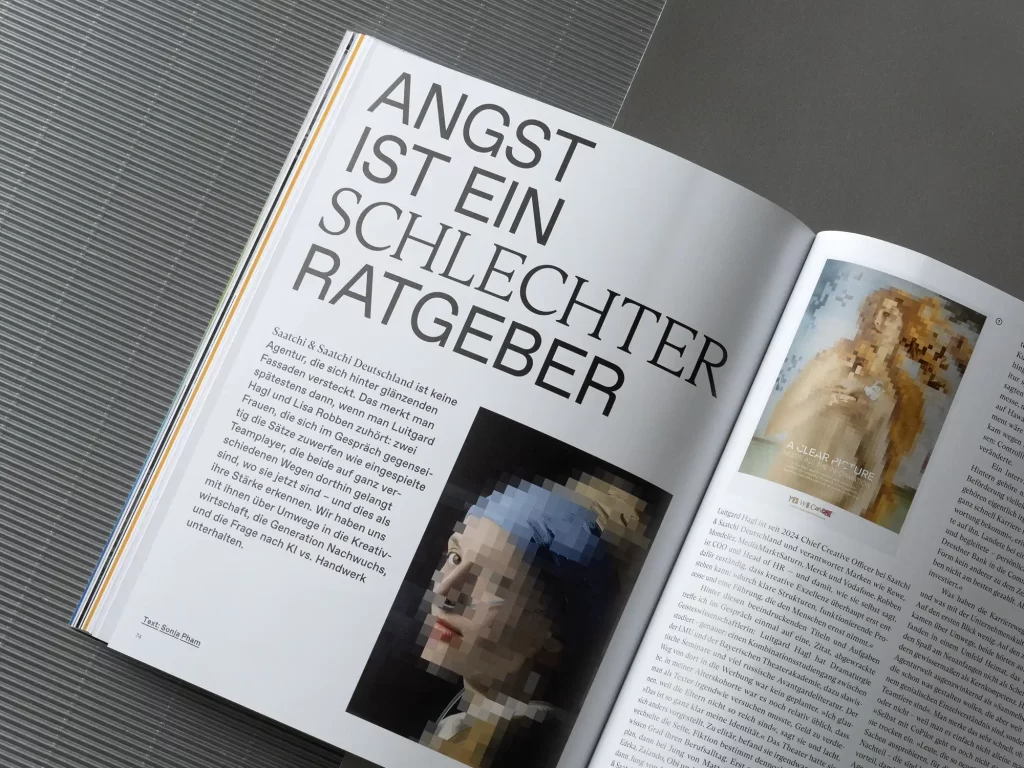
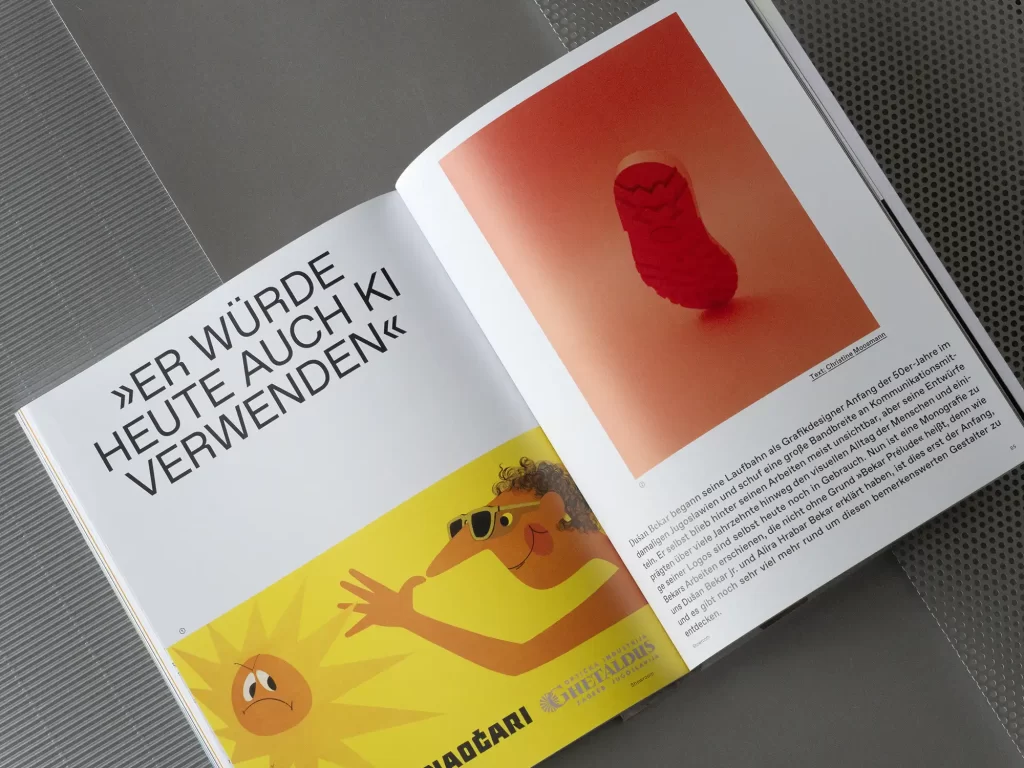
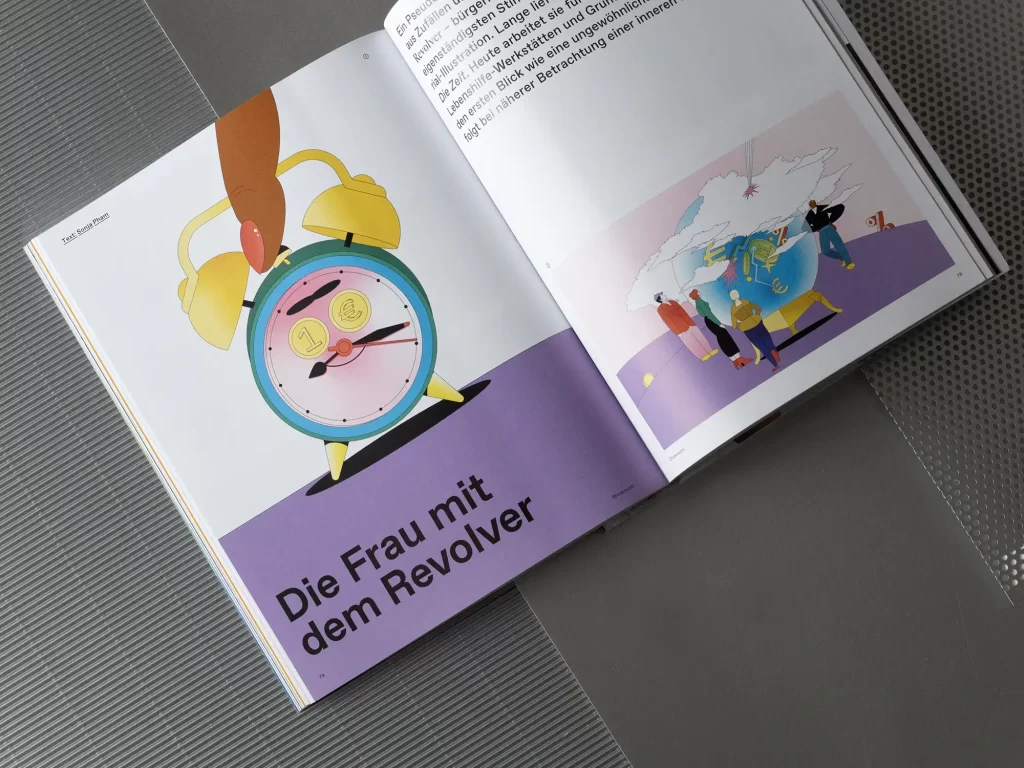
Im Showroom dieser Ausgabe blicken wir hinter die Kulissen der Agentur Saatchi & Saatchi, stellen die Illustratorin Eva Revolver vor und werfen einen Blick auf das Schaffen von Dušan Bekar, der seit den 60er-Jahren im damaligen Jugoslawien unter einfachsten Bedingungen großartige Grafiken schuf. Einen Faible fürs analoge Arbeiten hat auch Tina Touli, die aus den banalsten Alltagsbeobachtungen und stundenlangen Bastelarbeiten faszinierende Visuals kreiert.
Jetzt bestellen!
Das Grafikmagazin 02.26 zeigt, wie sich KI sinnvoll in die Designarbeit integrieren lässt. Zudem bietet diese Ausgabe viele handfeste Tipps für die Arbeit von Designer:innen. Die Ausgabe können Sie hier bestellen, versandkostenfrei (innerhalb der EU).