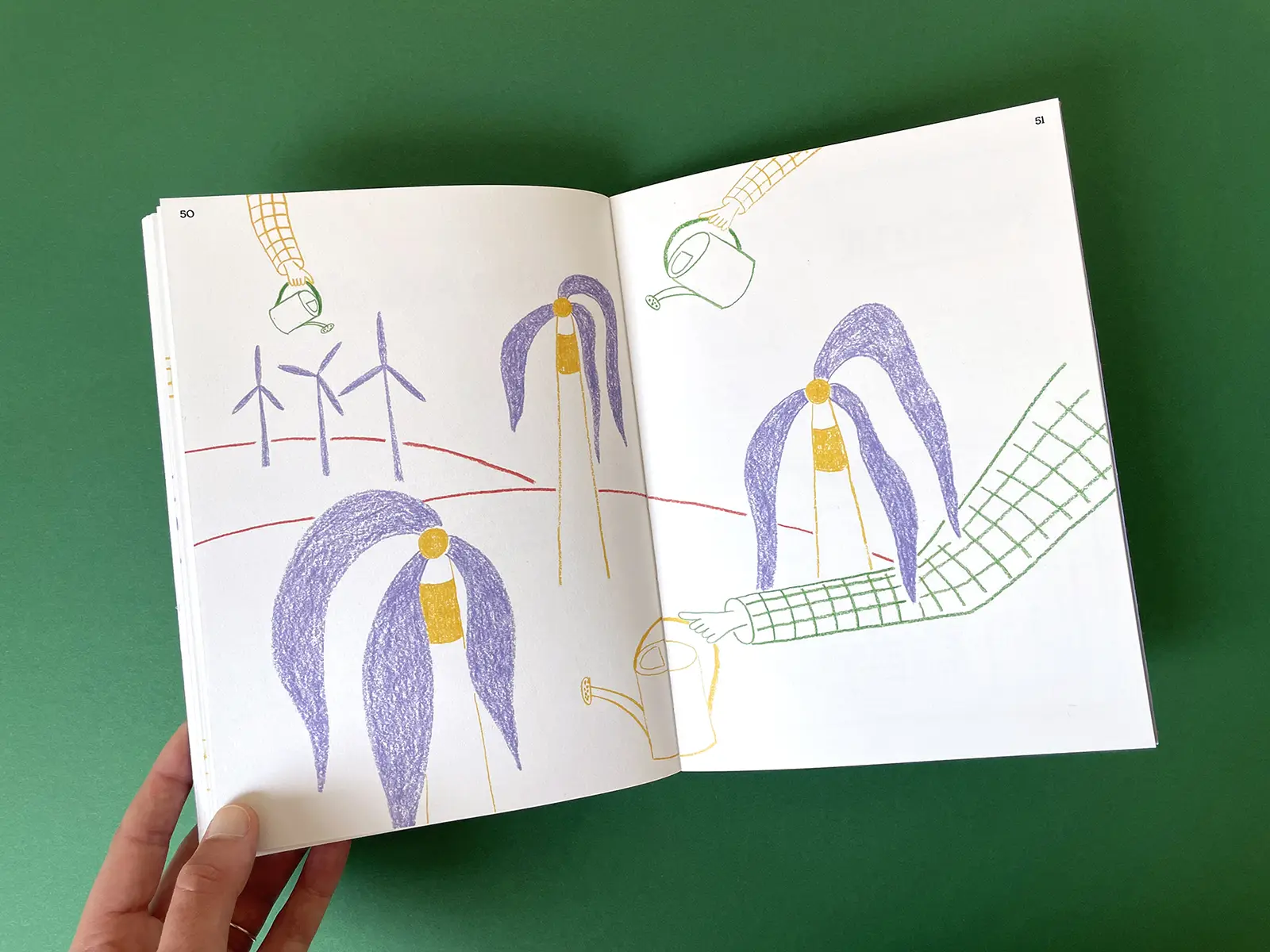
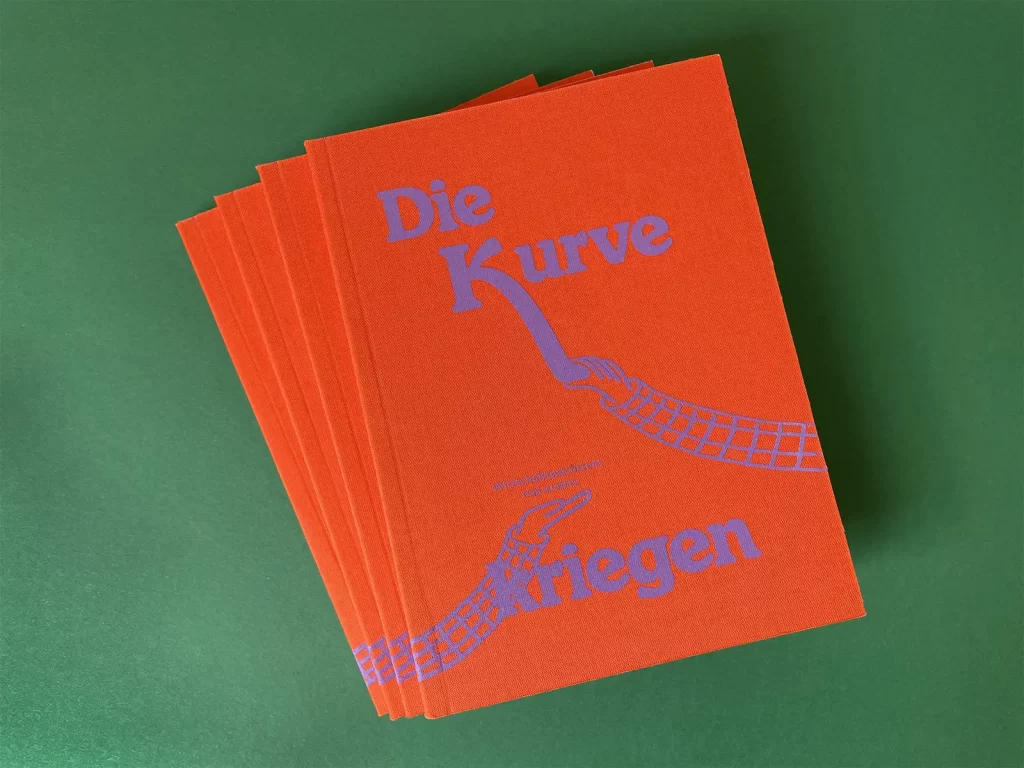
Our resources are finite, yet our economic system is based on constant growth. You don't have to be Einstein to see that this cannot go on forever. But how could things be different, and wouldn't we all lose out on prosperity? Meike Althaus took a closer look and wrote an entertaining non-fiction book called "Die Kurve kriegen" (Getting the Curve Right), which of course includes the infamous finger-wagging.
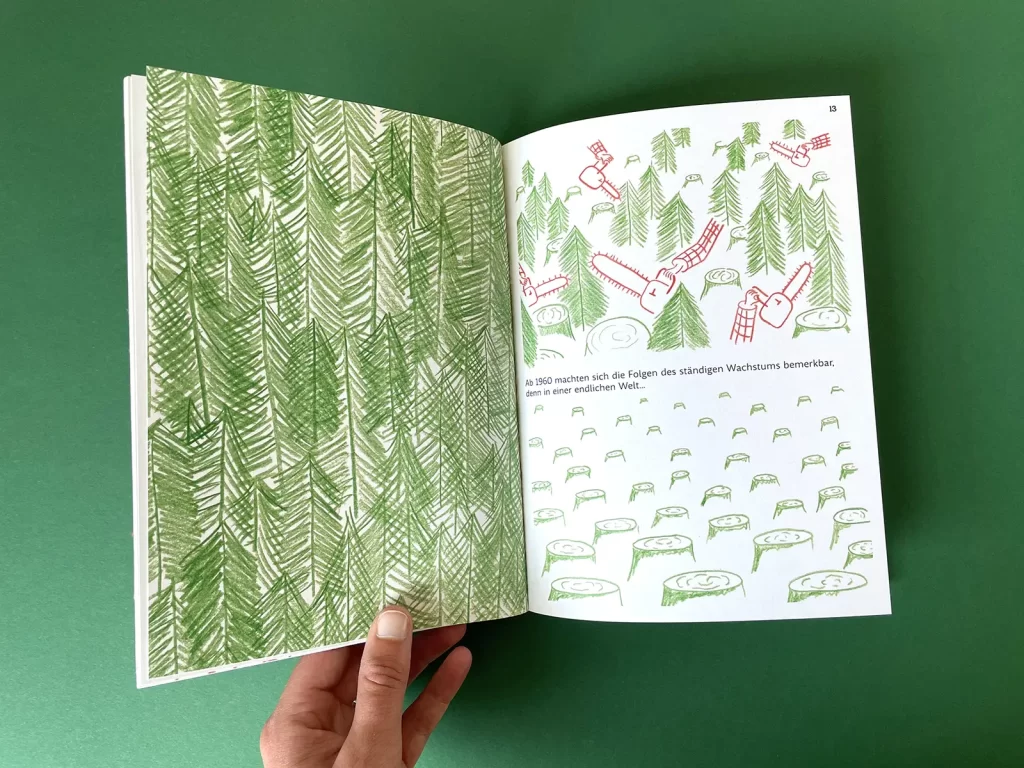
Even while studying at Mainz University of Applied Sciences, Meike Althaus was interested in socio-political issues and saw her bachelor's thesis as an opportunity to learn new things and have fun doing so. During climate protests, she noticed that the slogan "System Change, not Climate Change" often appeared, and the book "Das Ende des Kapitalismus" (The End of Capitalism) by business editor Ulrike Herrmann also got the student thinking. So what could a world look like in which economic growth is defined differently? Meike Althaus' work is written as a non-fiction book and begins by describing the problem in the form of a comic. This is followed by examples of alternative concepts of growth that already exist, such as the doughnut economy in Amsterdam, Buen Vivir in Ecuador, and gross national happiness in Bhutan. Finally, "Die Kurve kriegen" offers a glimpse into what our lives might look like if the economy were to shrink.
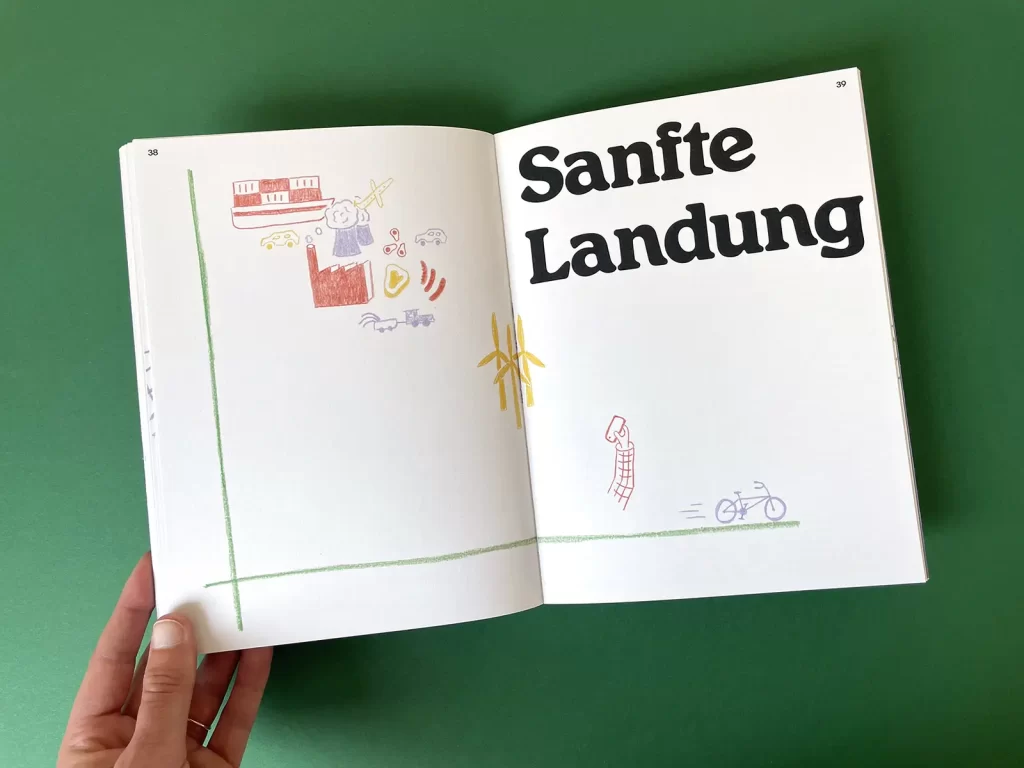
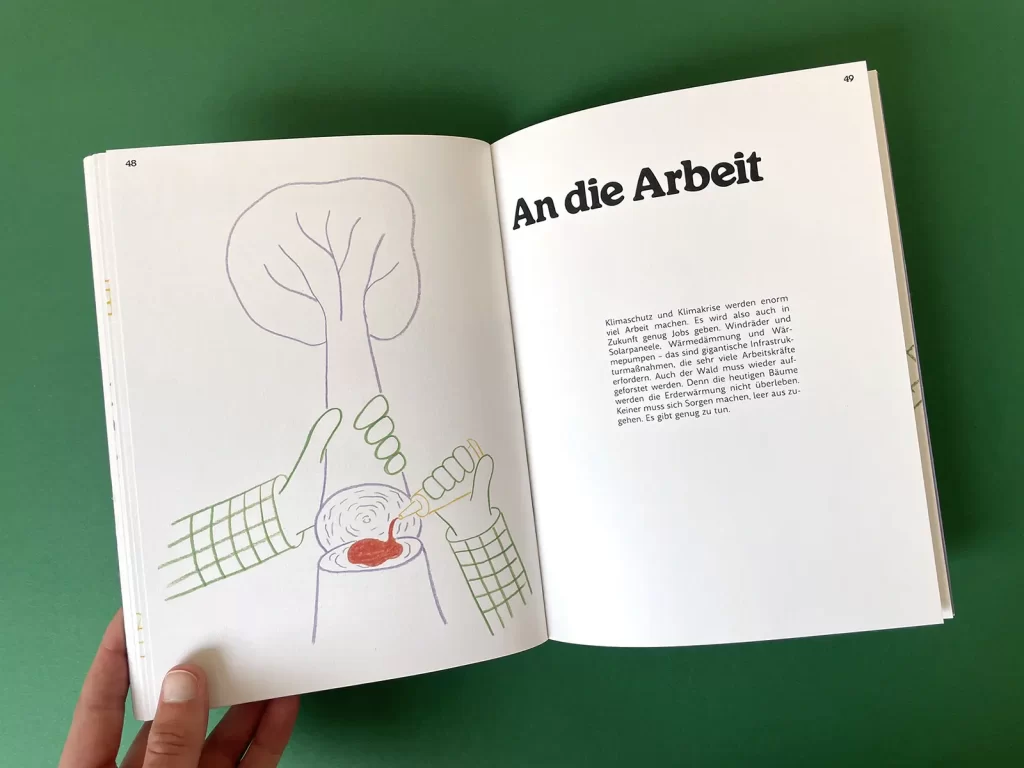
It was important to Meike Althaus to make the topic visually tangible and present it in an entertaining way. That's why she used illustrations and also employed the raised index finger as a humorous stylistic device. The colors are rich and have a positive effect, and Althaus made sure the fonts were easy to read and had a friendly character. The designer deliberately wrote the texts in a simple and accessible style, with a glossary at the end of the book explaining any necessary technical terms. A linen cover provides a tactile experience and creates a sense of value, while the format (17 x 23 cm) makes the book light and easy to handle. Meike Althaus is convinced that imparting knowledge can also be entertaining. Less growth does not have to mean a loss of quality of life; it can also mean a gain for our future. "Die Kurve kriegen" invites readers to think about alternatives, and its design signals that this can also be fun.
You can find more from Meike Althaus here: Instagram.com
Design is often politically charged. Social Design Day 2025 explored how design can be used as a tool for social transformation. Find out more here: Grafikmagazin.de